
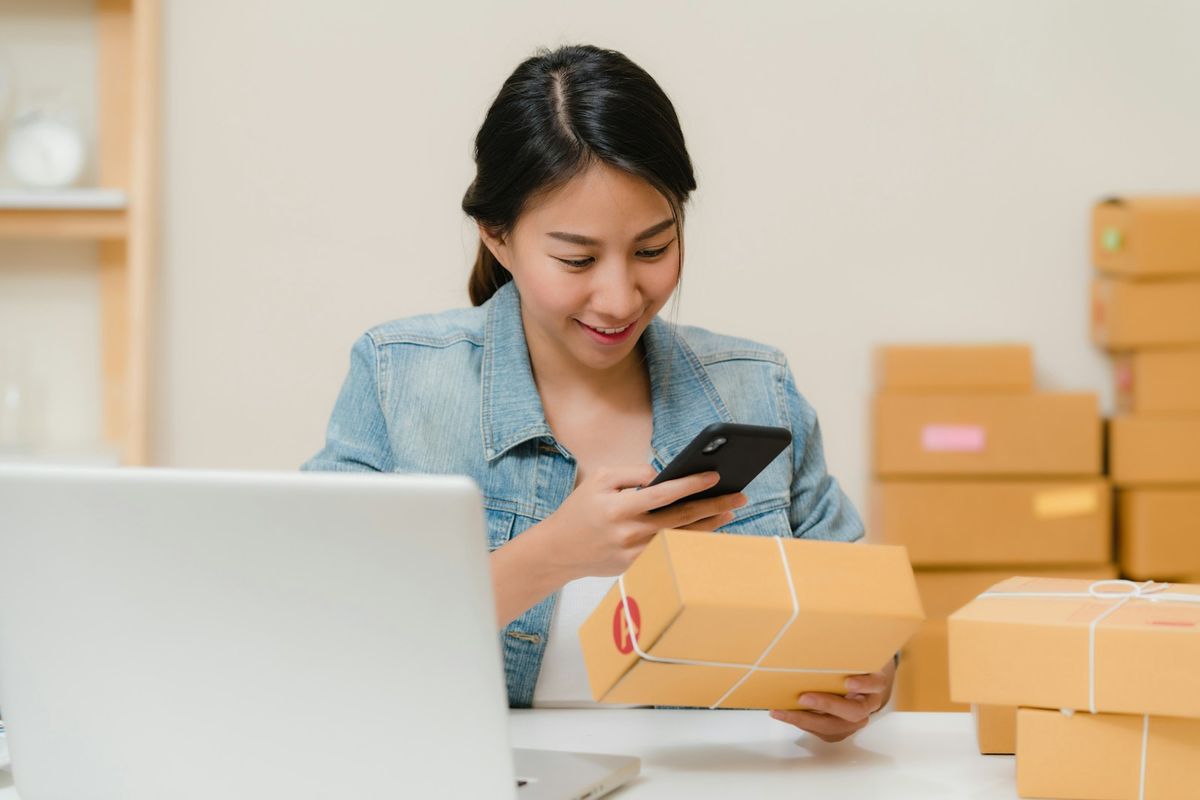
For informal sellers: what you already do right, and what an online store adds on top. Someone told you your Instagram page isn’t a real business. Are they right?
There’s a special kind of person who will look at your Instagram page, with its 2,000 followers, its steady stream of DMs and its pile of EFT proofs of payment, and say, “Ag, but it’s not a REAL business, hey.” Usually at a braai, usually with a boerewors roll in hand. Let’s be honest, it stings a little, because you were packing orders at 11pm last night and that felt pretty real to you.
So let’s unpack this. If you’re selling on Instagram, WhatsApp or Facebook in South Africa right now, you are already running a business. You have products, customers, a way to get paid and a way to deliver. What you don’t have yet is the setup that lets it grow without eating every evening you own, and that gap is a lot smaller than people make it sound.
“But you don’t even have a website!”
Picture your Instagram page as a stall at a busy Saturday market. People wander past, something catches their eye, they stop for a chat and some of them buy. That is a business, and truth be told, plenty of market traders would kill for the foot traffic you get from one good Reel.
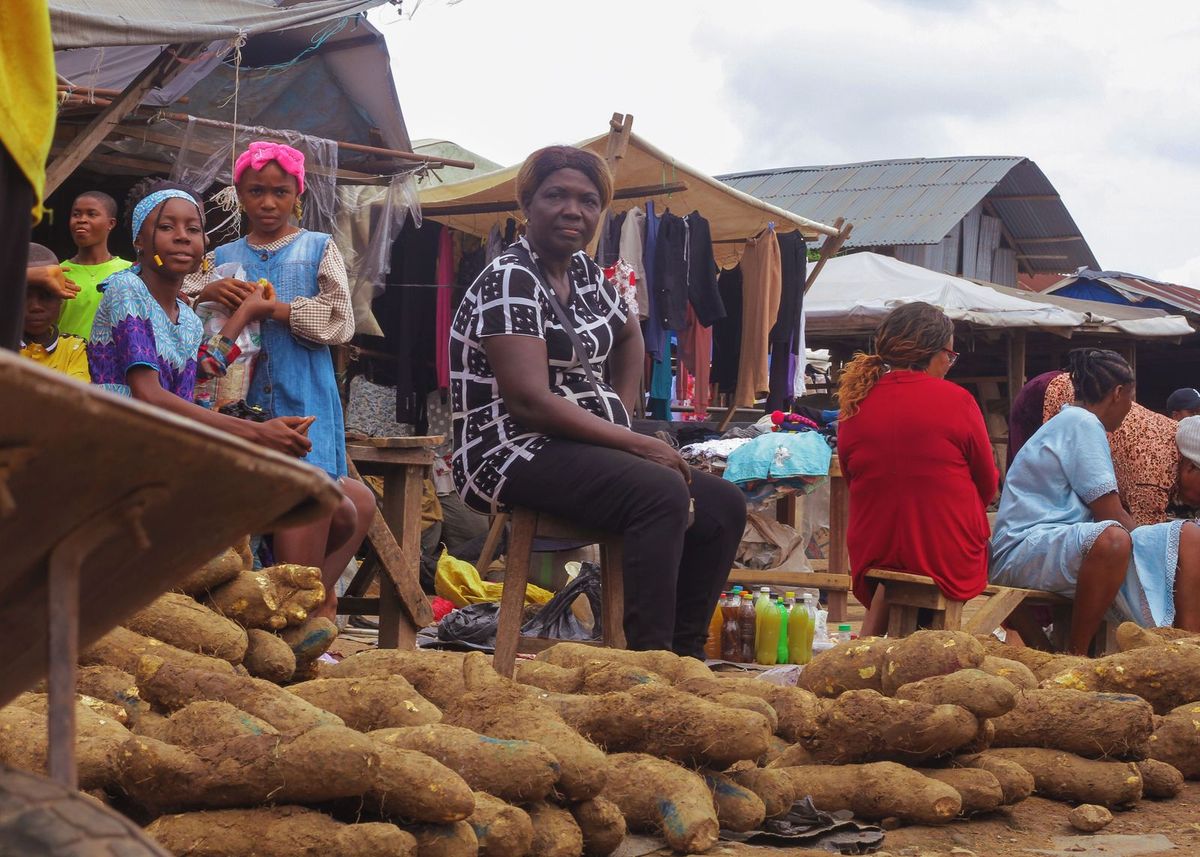
Look at what you’ve already pulled off. You’ve proven that people actually want what you sell, which is the hardest part of starting any business and the part a lot of shiny startups skip entirely. You’ve built trust through real conversations, so your customers know there’s a human behind the brand and not a faceless warehouse. You’ve also worked out pricing, payment and delivery, even if right now that’s a mix of EFTs, a payment link and a run to the PEP counter for a PAXI drop-off.
None of that gets thrown away when you open an online store. It’s the foundation the store gets built on, and it’s worth more than any template or logo.
Where the DMs start to creak
The market stall works brilliantly right up until the queue gets long, and then the cracks start to show.
Every sale on Instagram needs you standing in the middle of it. Someone sends “price?” at 22:40, you reply at 07:15, and by then they’ve bought from the account that answered first. You keep stock levels in your head, or in a notebook, or both (which is somehow worse). You type out the same bank details forty times a week and then squint at screenshots to check the money really landed. When a customer asks where their order is, you scroll back through three weeks of chats to find out what they even ordered.
Then there’s the bit nobody likes to talk about. You don’t own your Instagram page. The algorithm decides who sees your posts, and if your account gets hacked or restricted, your shop closes with it. Building your whole business on someone else’s platform is a bit like setting up your stall in a car park owned by a guy who changes the rules every month. Not ideal!
What an online store adds on top
If Instagram is your market stall, an online store is a proper shop on the same street. The stall can stay exactly where it is. The shop simply takes over the jobs a stall was never built to handle.
- Open while you sleep: Customers browse, pick a size and pay at 2am without waiting for you to wake up and reply. You start the day with orders instead of questions.
- Payments that check themselves: Online payments are confirmed by the payment gateway before the order reaches you. No more screenshot detective work, and no more awkward “sorry, it hasn’t reflected yet” messages.
- Stock that counts itself: When something sells, the quantity drops, and when it hits zero it stops selling. Your notebook can finally retire.
- Orders in one place: Every order, address and delivery choice sits on one screen, ready to pack. When someone asks where their parcel is, you look it up in seconds instead of scrolling for ten minutes.
- Google can find you: Your Stories and DMs don’t show up when someone searches Google for what you sell. Proper product pages can, which means new customers find you without having to follow you first.
- A name that’s yours: A store on your own domain belongs to you, and so does the customer list that grows with every order. Nobody can switch it off because an algorithm got moody.
“So do I have to quit Instagram?”
Well, yes and no. Mostly no!
Keep Instagram for the things it’s genuinely great at: getting discovered, showing your products in action and chatting to people who love what you make. What changes is where the sale happens. Your link in bio points to your store, your posts send people to the exact product page, and when someone asks for the price you reply with a link instead of your bank details for the fortieth time that week.

Instagram becomes your shop window and the store becomes your till. You keep the personality that got you here, and you stop being the bottleneck in every single sale.
Wrap it up
You’re already a real business. You found customers, earned their trust and got the goods to their door, which is more than plenty of registered companies with fancy letterheads can say. What an online store gives you is the system behind the stall, so the business can grow without your phone running your life.
If your DMs are starting to feel like a second job, take that as your sign. Set up your BeNimble store, put the link in your bio, and let the shop handle the queue while you get on with the work only you can do.
And the next time someone at a braai tells you it’s not a real business, just send them your store link. Checkout’s open, even on a Saturday afternoon with tongs in hand.
Give your Instagram shop a till
Build your BeNimble store and put the link in your bio. Payments, stock and orders handled in one place.
Start your free 14-day trial Free for 14 days. No credit card required.Emile
BeNimble Team
